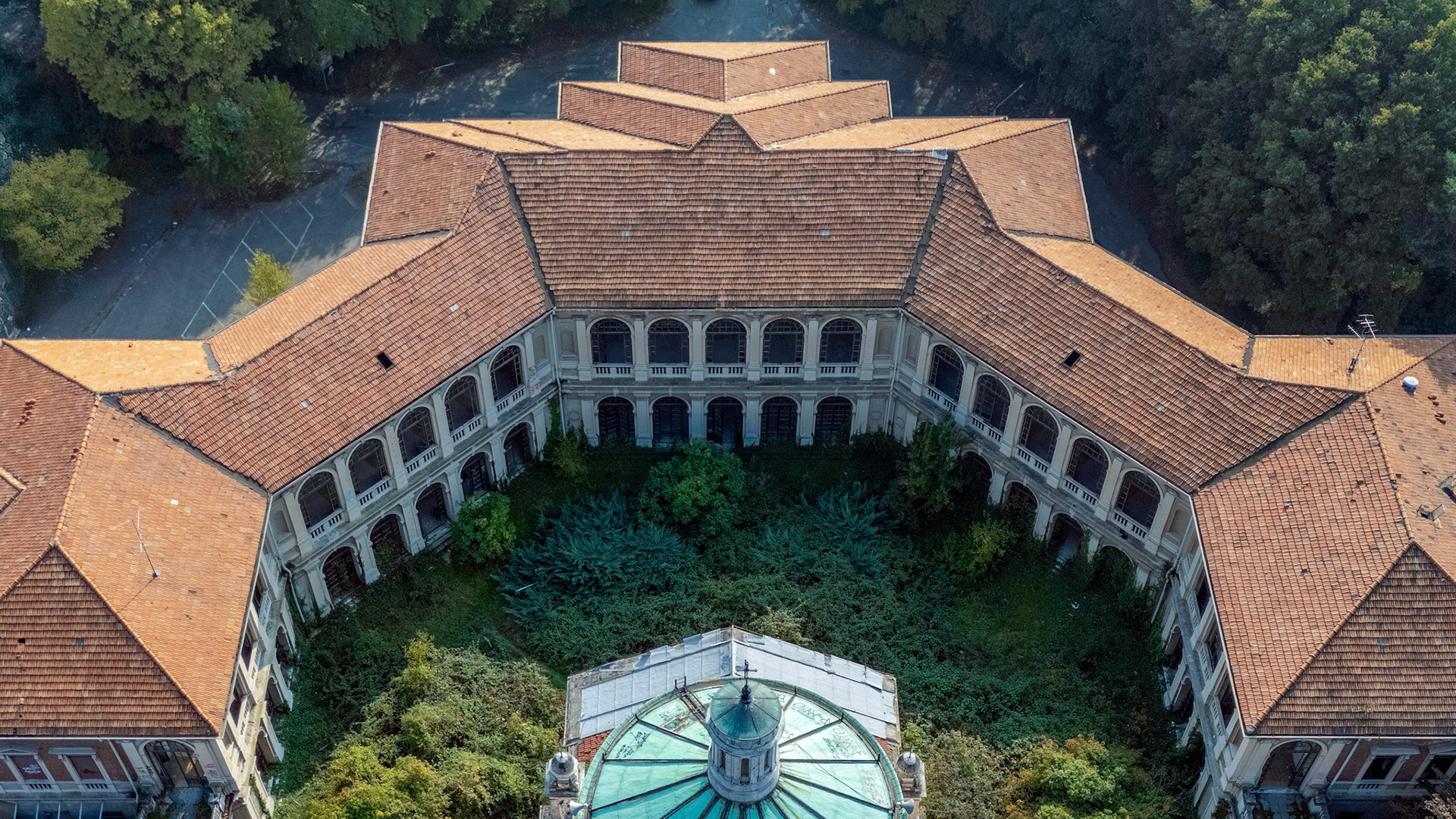
Guido Salvani Sanatorium.
Italy 2025
History of the Guido Salvani Sanatorium.
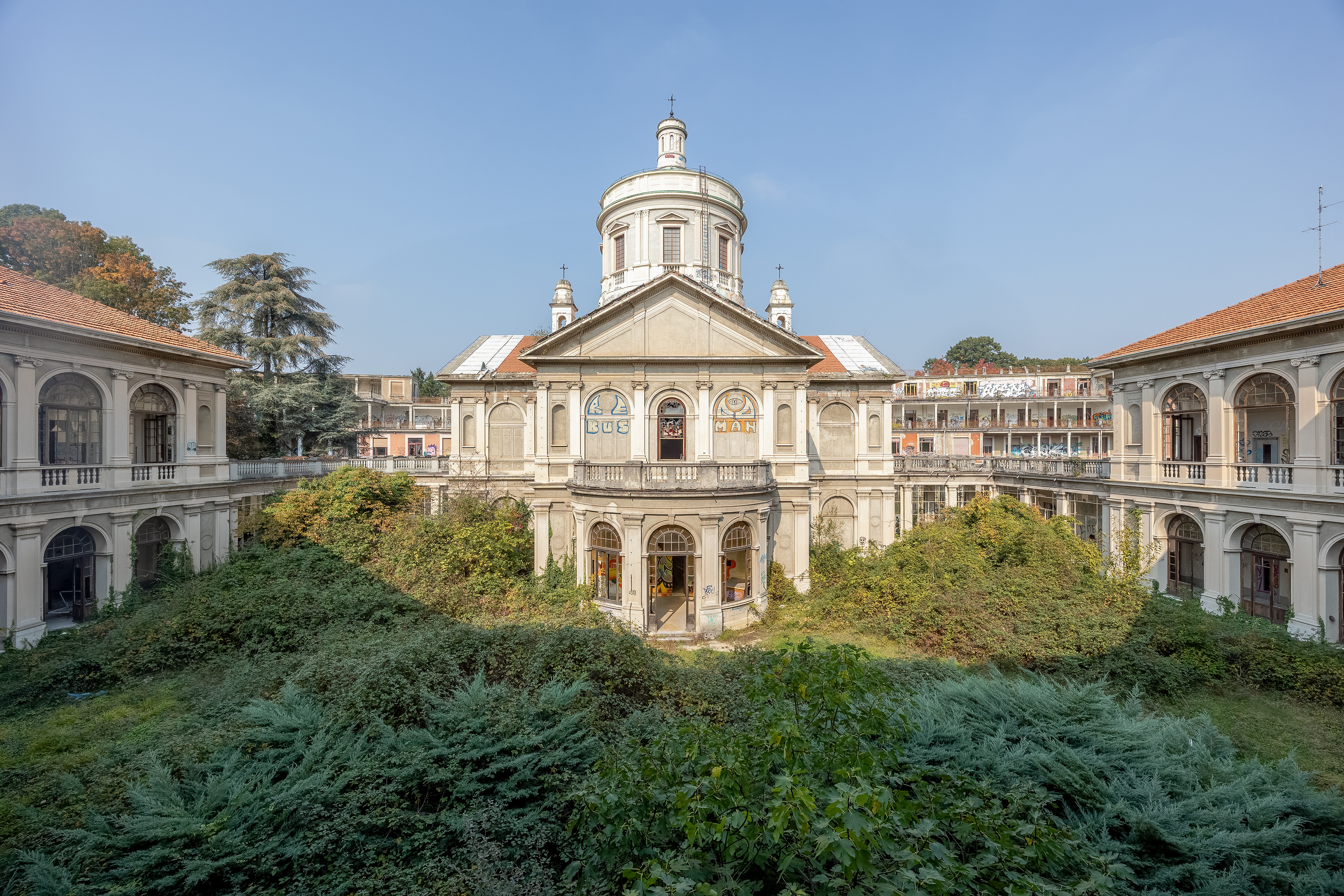
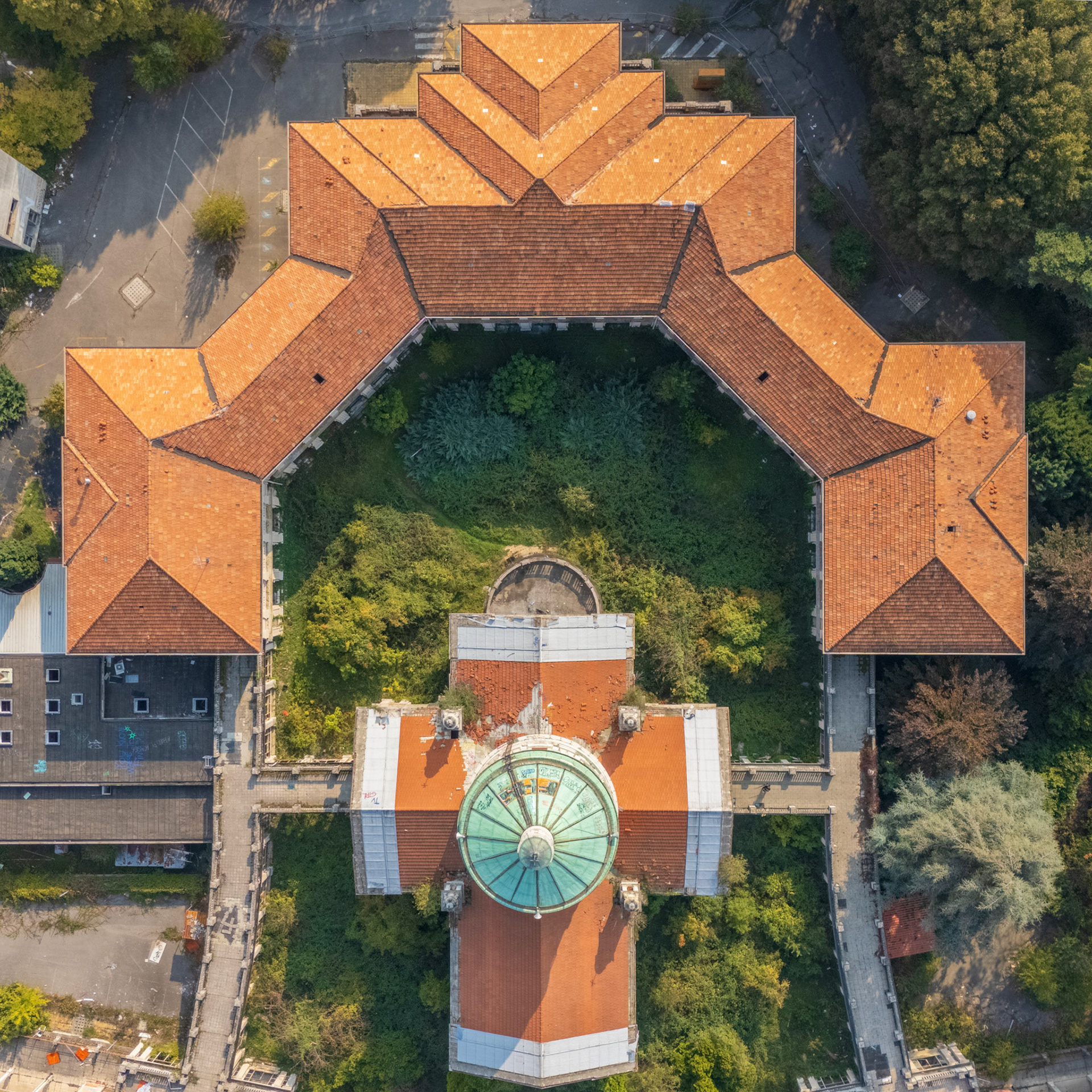
The Guido Salvani Sanatorium, located in the Italian, Emilia-Romagna region, was built in the early 20th century as a specialized treatment center for tuberculosis patients.
At a time when fresh air, rest, and isolation were considered essential elements of recovery, the complex was designed according to the most modern medical and architectural principles of the era.
The sanatorium was named in honor of Guido Salvani and became part of the growing healthcare infrastructure surrounding Salsomaggiore Terme, which was already renowned for its thermal baths and therapeutic environment.
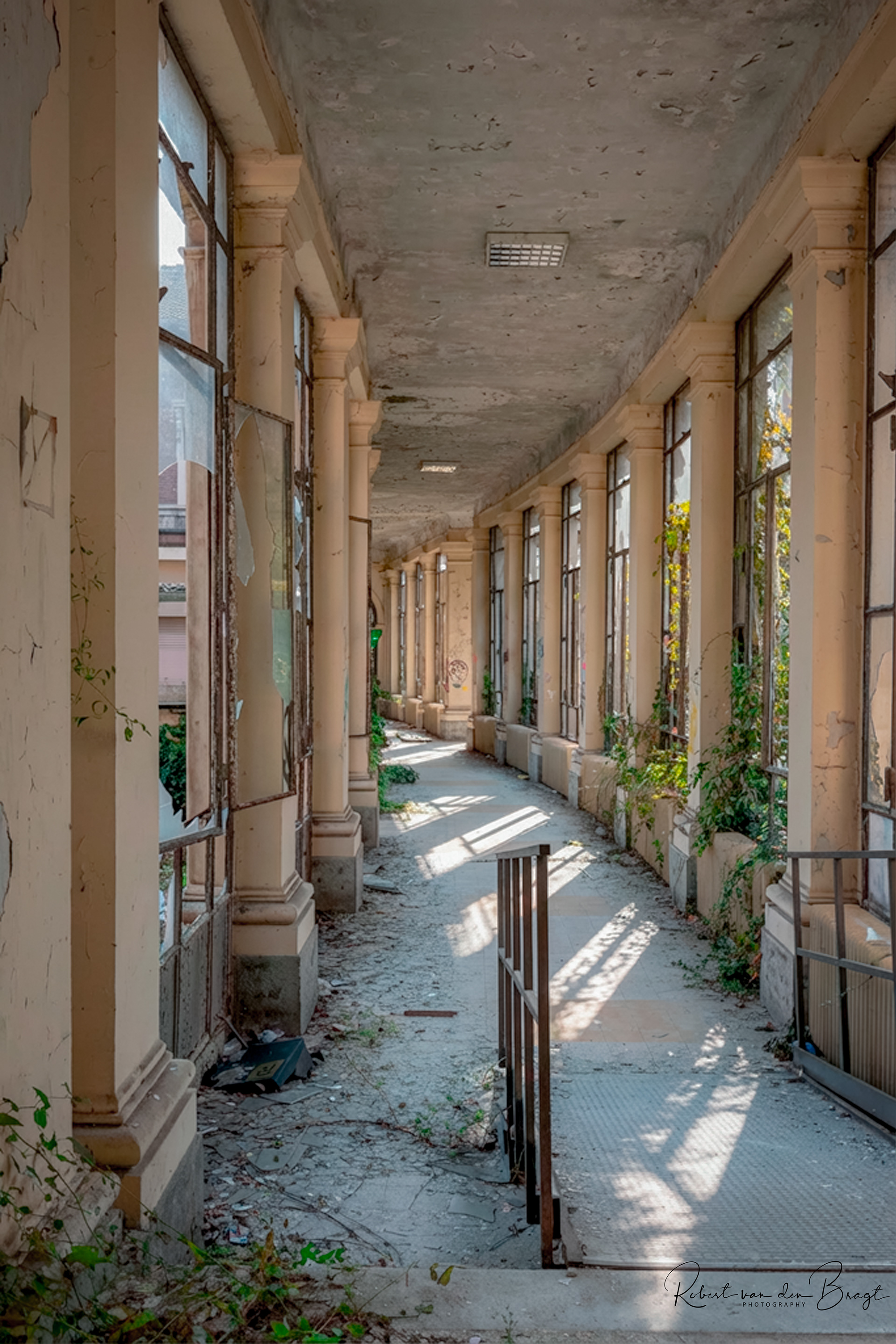
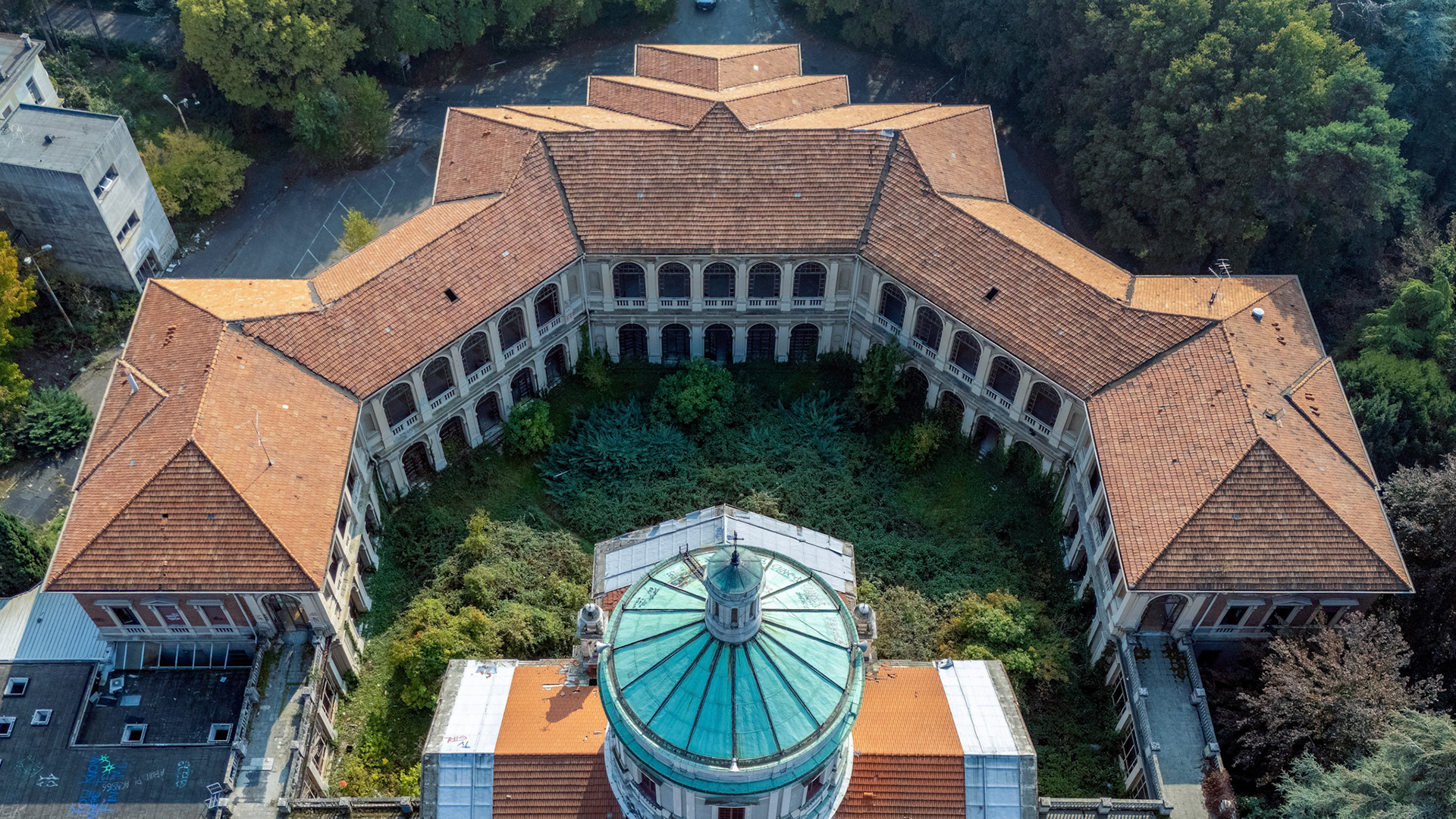
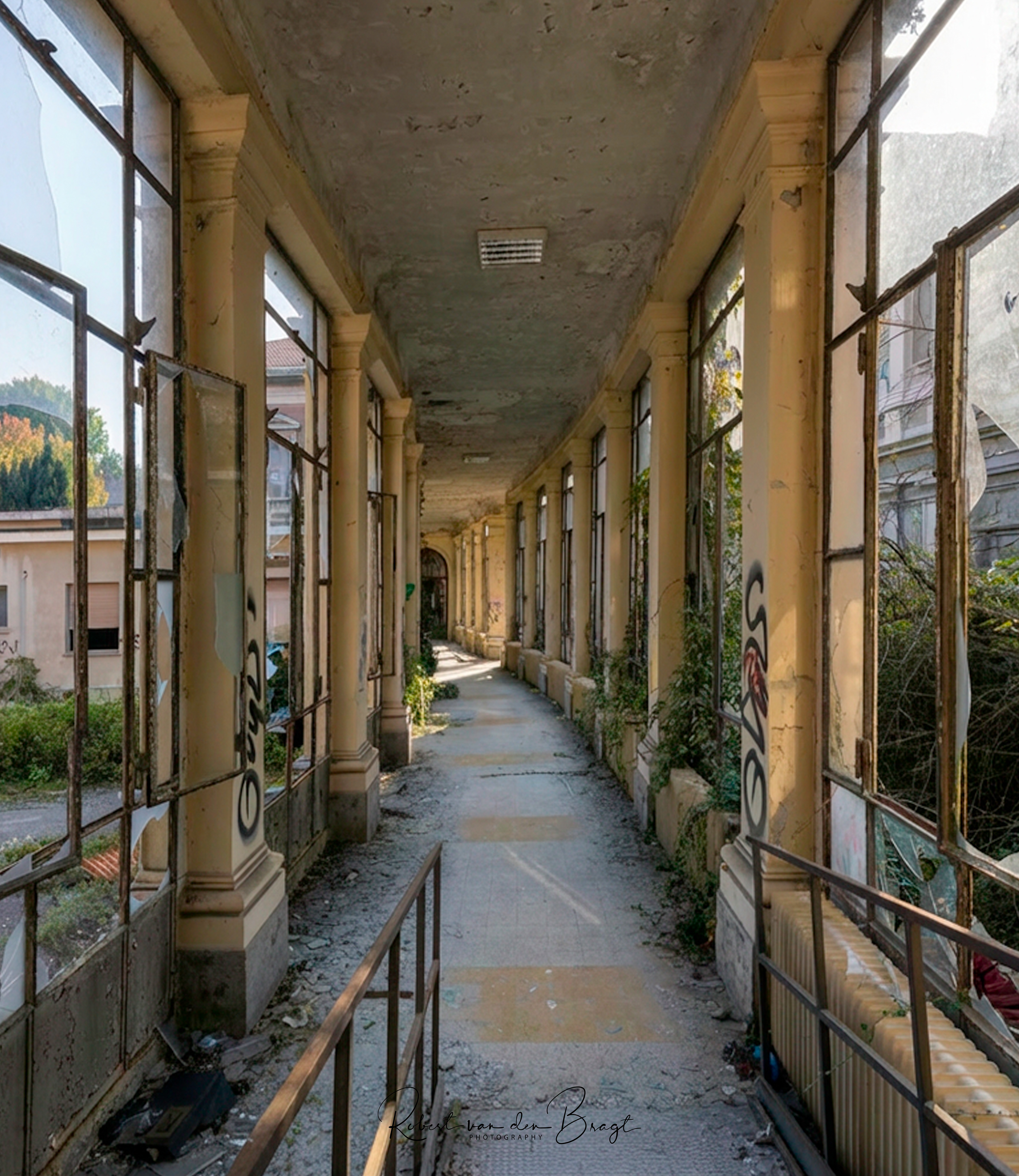
Thanks to its peaceful and green surroundings, the building offered patients the opportunity to recover in relative isolation, immersed in nature and light. Large windows, spacious terraces, and long open galleries were characteristic features of the design, allowing maximum sunlight and fresh air to reach the patients.
During the first half of the 20th century, the building functioned intensively as a tuberculosis sanatorium. As medical science advanced and antibiotics such as penicillin were introduced, the need for long-term treatment in sanatoria gradually declined. In the following years, the complex was slowly repurposed and served various medical and care-related functions, including use as a general hospital and healthcare facility.
In the second half of the 20th century, the building began to lose its original function. Due to changes in healthcare systems, modernization of hospitals, and the centralization of medical services, the sanatorium was eventually closed. Since then, the complex has largely stood abandoned.
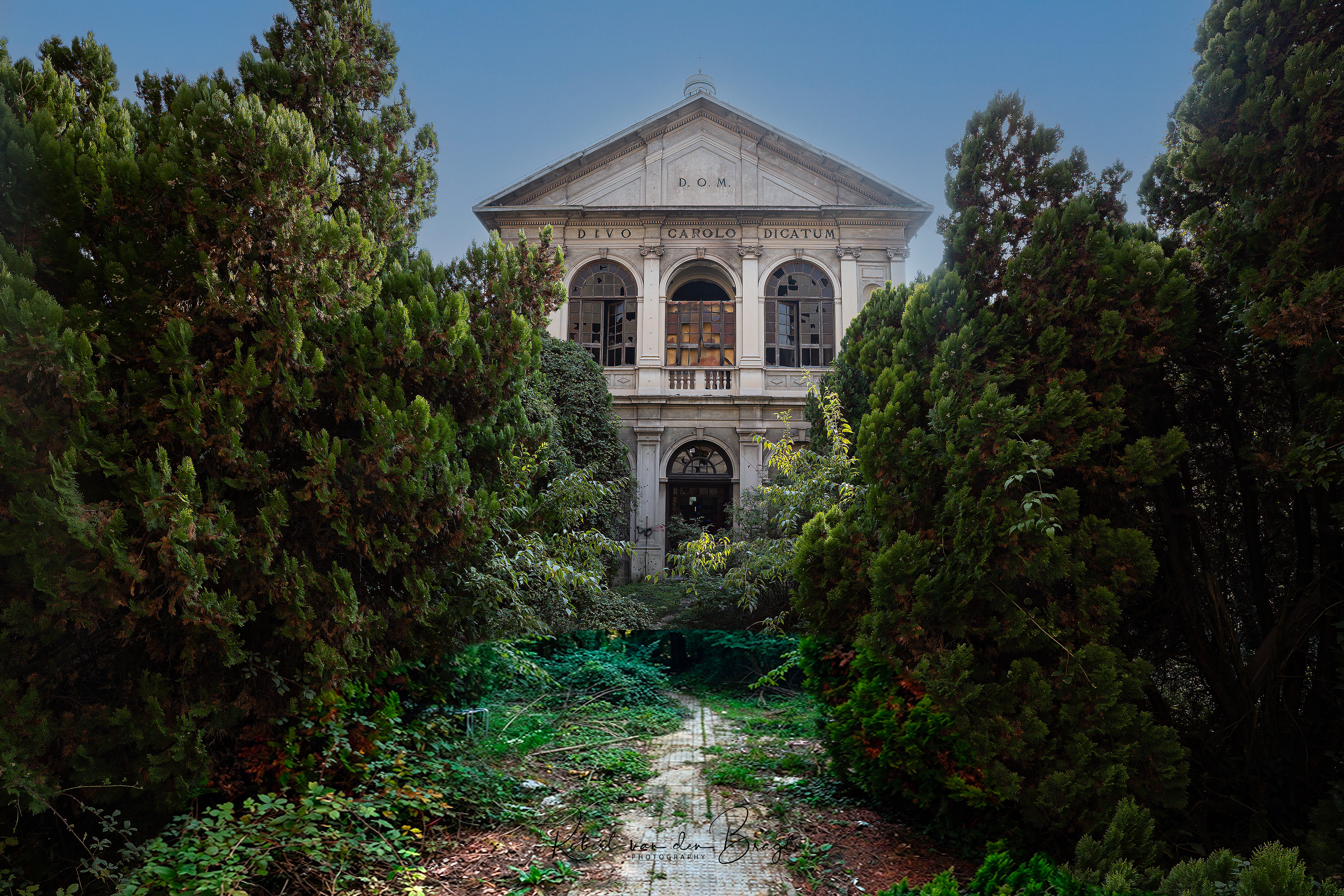
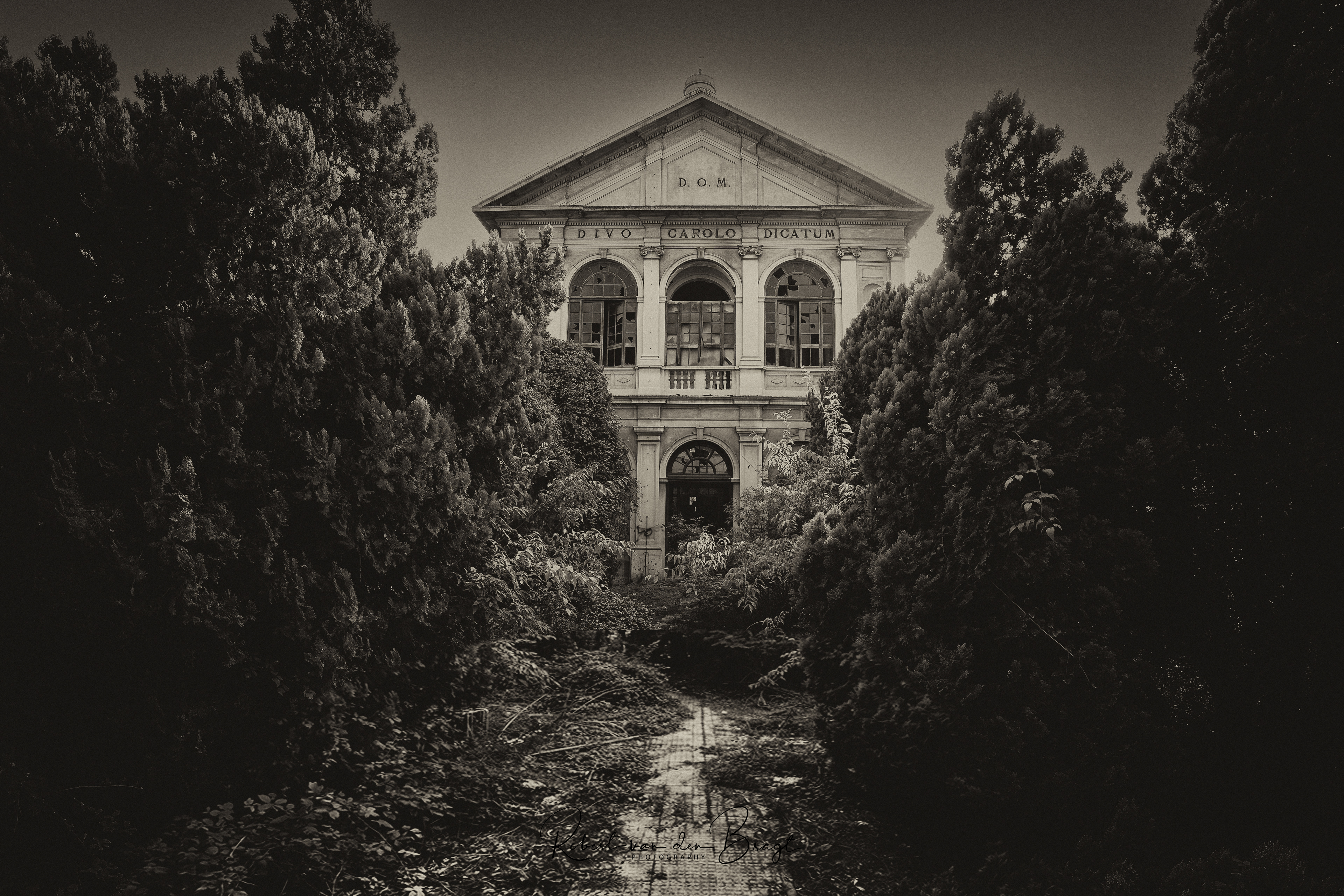
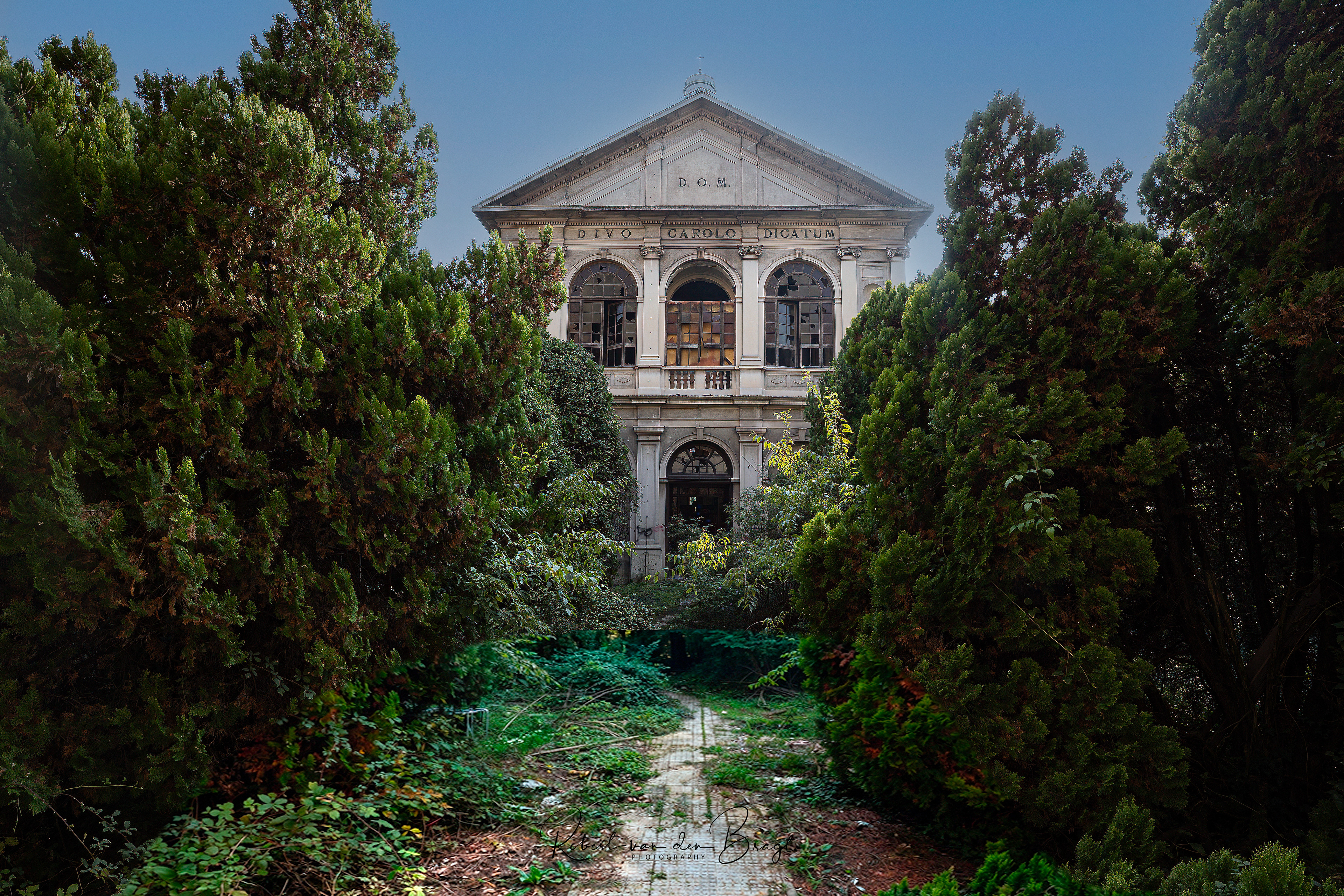
Today, the former sanatorium remains an impressive yet decaying monument of medical history. Its long corridors, abandoned rooms, and peeling walls tell the story of a place where hope, recovery, and human stories once filled the space. Although the building has fallen into disrepair, it continues to stand as a fascinating reminder of an important chapter in European healthcare and early 20th-century architecture.
What do you think of this album, please leave a message